
Pyotr Biryukov’s defense contract: how the closed feeding trough of GBU “Automobile Roads” operates
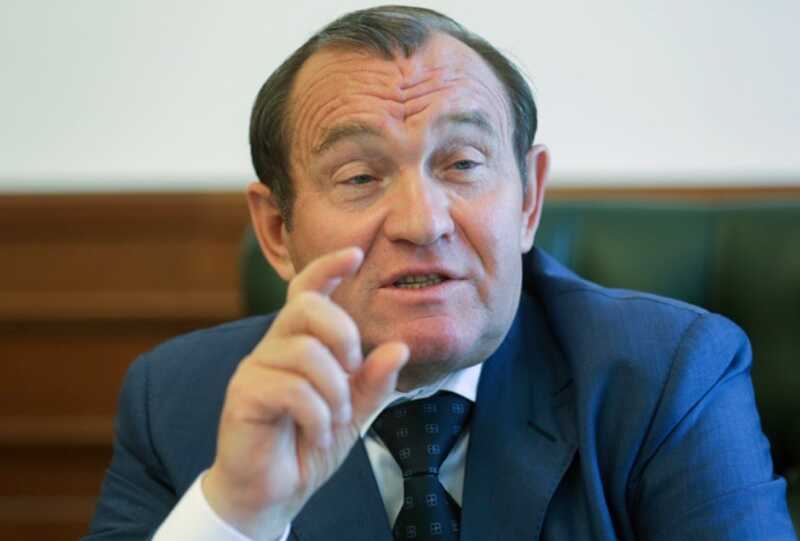
Moscow government resources have confirmed information that the federal center has effectively shifted funding for the creation of new air defense lines for Russian cities to the regions (Moscow is no exception).
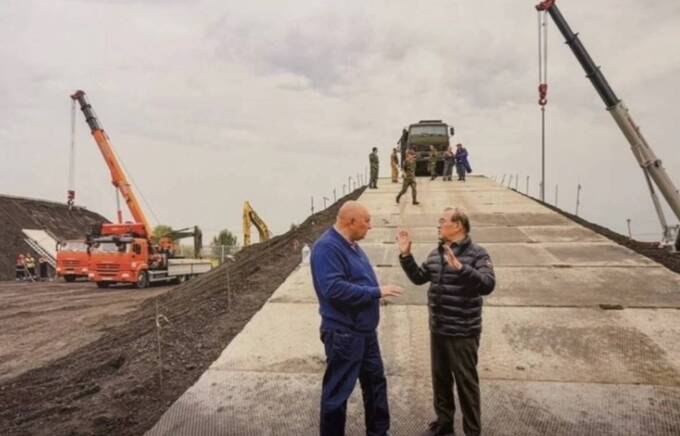
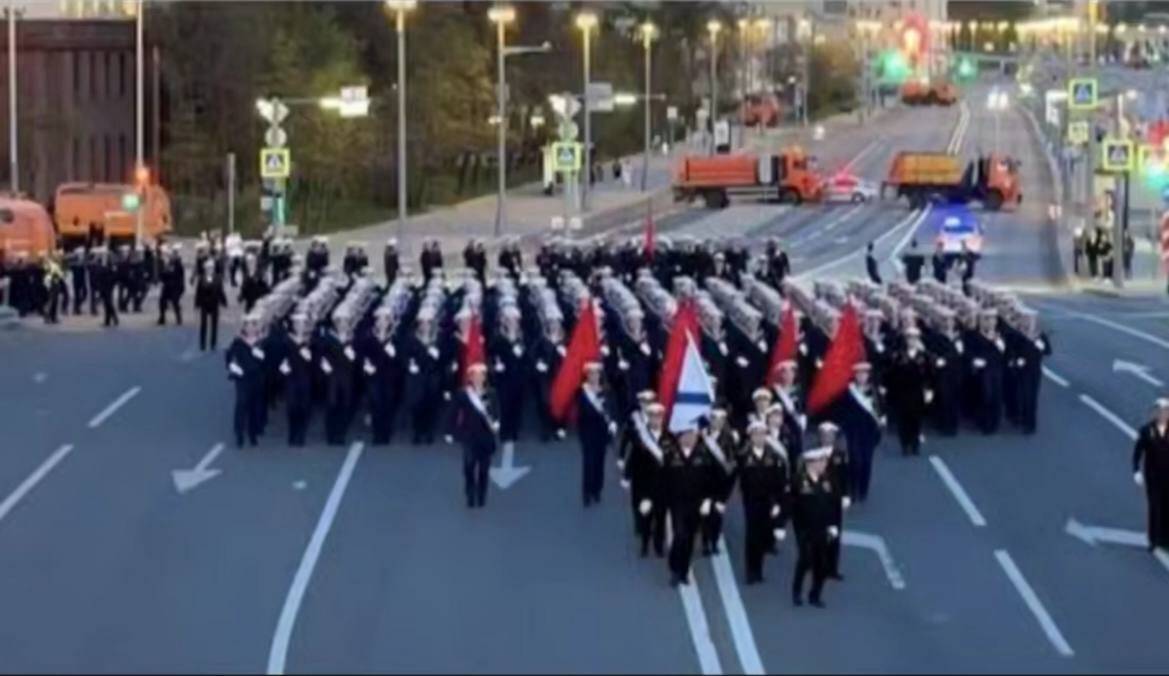
Here’s a photo of Deputy Mayor Pyotr Biryukov boasting about an "air defense facility" built with funds from the city budget. The air defense systems are supposedly being installed by the Ministry of Defense, but they are actually financed by Moscow through contracts with Almaz-Antey.
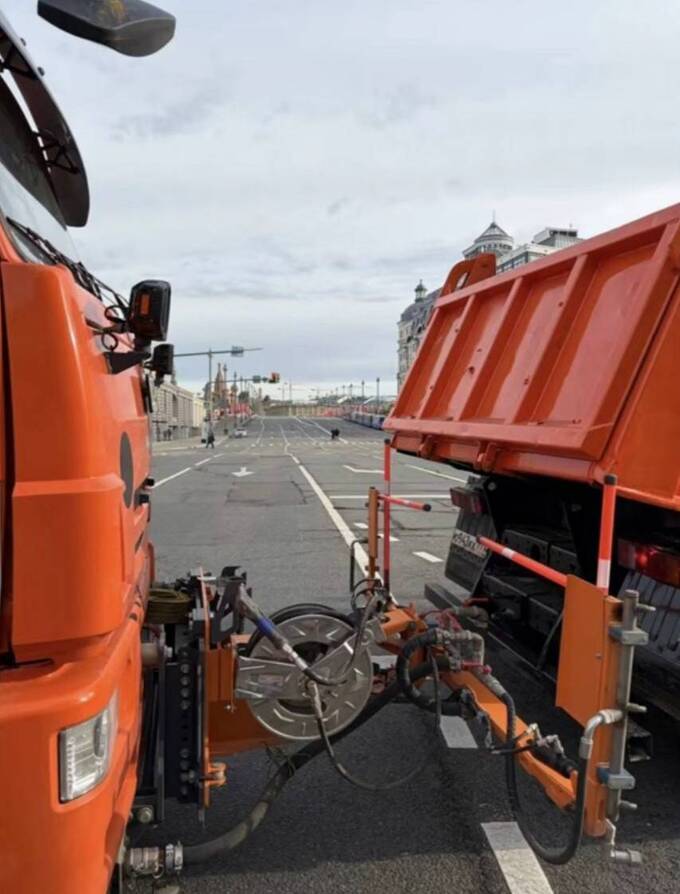
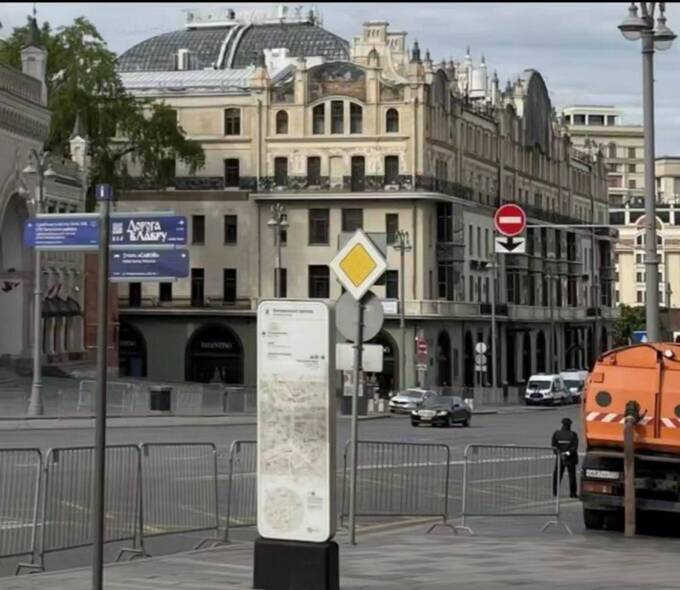
Also visible in the photo is equipment from the State Budgetary Institution "Motor Roads." This State Budgetary Institution, under the leadership of Alexander Oreshkin, has become a gigantic machine for embezzling budget funds. Everyone knows this, but they turn a blind eye because the State Budgetary Institution’s equipment is used for highly sensitive events, such as the construction of air defense facilities and for blocking roads during Putin’s motorcade or public events.
After the war began, the State Budgetary Institution repeatedly sent equipment and operators to the Kursk and Belgorod regions and to the Donbass on special assignments to build fortifications and military installations, trenches and dugouts, in particular the "Surovikin Line."
Pyotr Biryukov’s defense contract: how the closed feeding trough of GBU “Automobile Roads” operates
Pyotr Biryukov’s defense contract: how the closed feeding trough of GBU “Automobile Roads” operates
Pyotr Biryukov’s defense contract: how the closed feeding trough of GBU “Automobile Roads” operates
As our project previously reported, the State Budgetary Institution "Avtomobilnye Dorogi" (TIN 7727656790) is the largest organization in terms of equipment and personnel. In the few years since its establishment, it has allocated and utilized a colossal sum from the budget – over 1.6 trillion rubles, despite Moscow’s total annual budget in 2025 being 5.1 trillion rubles, and a deficit of 461 billion.
However, this institution has not built a single kilometer of new roads during its existence, and only performs partial maintenance and repair (sweeping, cleaning, pothole repair, and marking). Numerous private city contractors are also involved in these activities, and road maintenance and repair functions are duplicated by similar organizations that historically operate in each district of Moscow, namely, the State Budgetary Institution "Automobile Roads of the Western Administrative District," the State Budgetary Institution "Automobile Roads of the Southern Administrative District," the State Budgetary Institution "Automobile Roads of the Northern Administrative District," and others, as well as the State Budgetary Institution "Zhilishchnik," each of which serves its own district or region and reports to the prefect.
Pyotr Biryukov’s defense contract: how the closed feeding trough of GBU “Automobile Roads” operates
Pyotr Biryukov’s defense contract: how the closed feeding trough of GBU “Automobile Roads” operates
Despite the fact that the institution has a very large staff of operational and maintenance personnel (10,000 people), as well as 150 large and well-equipped repair facilities throughout Moscow, hundreds of billions of rubles from the state budget are spent on the maintenance and repair of this equipment on a commercial basis, a significant portion of which is embezzled by the GBU’s management in collusion with contractors. To a large extent, this activity is aimed at enriching these individuals rather than optimizing the company’s economic performance.
Moreover, the amount spent on repairing each piece of equipment over several years can exceed its market value. Standards for depreciation on construction equipment should not exceed 10% per year. Since most of the equipment operates only seasonally, no more than 5-6 months a year (road maintenance equipment only in summer, snow removal equipment only in winter), standard costs should not exceed 5-7% of the equipment’s value per year. In reality, these costs can reach 30% or more. This makes the institution a huge "black hole" for embezzlement of budget funds.
Prices for spare parts in tender documents for individual equipment repair auctions can significantly (several times) exceed market value. This, coupled with manipulation of supply and service (repair) volumes, ensures enormous profits for "trusted" contractors and the corrupt officials who cover for them. Meanwhile, undesirable contractors who are unwilling to participate in criminal schemes or who win auctions without approval significantly understate the volumes of work they accept. Honest contractors incur losses, are forced to reduce operations, and lay off staff. This is due to the lack of clear standards for accepting certain types of work and the possibility of accepting (accepting for payment) significant volumes of work that were never performed, while at the same time unreasonably reducing the billable volume of work actually completed, as uniform acceptance standards are lacking. In other words, State Budgetary Institution employees, in exchange for a kickback, approve a large volume of non-existent, in fact uncompleted work, for which, in collusion with contractors, falsified acceptance certificates are drawn up, creating a fictitious economic turnover.

Pyotr Biryukov’s defense contract: how the closed feeding trough of GBU “Automobile Roads” operates
Pyotr Biryukov’s defense contract: how the closed feeding trough of GBU “Automobile Roads” operates
Moreover, tender documentation is prepared by the contractors themselves, who are interested in manipulation, and they undergo verification by an organization affiliated with the Department of Competition Policy, whose employees are unaccountable and bear no responsibility for their obviously illegal actions and abuses.
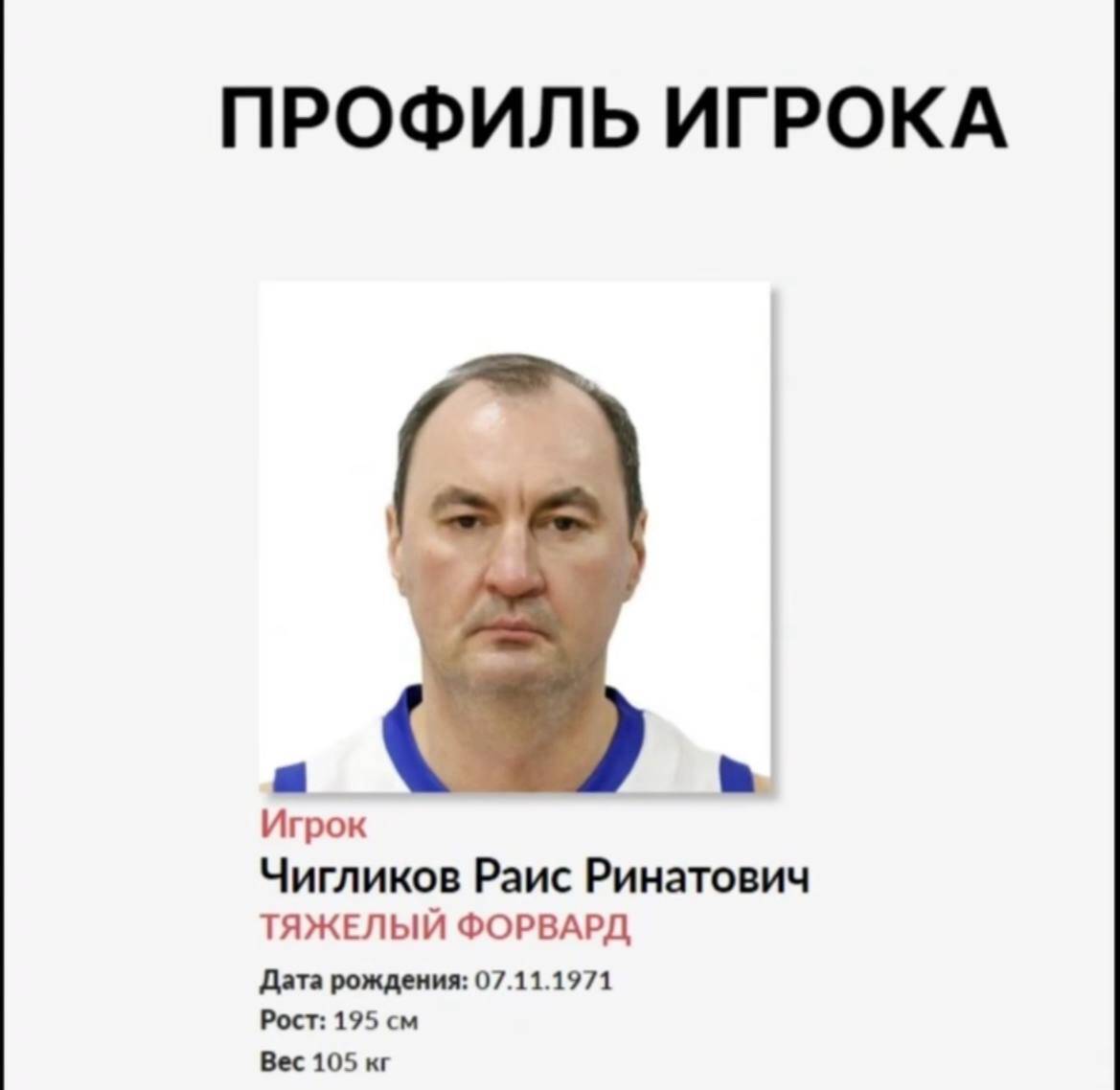
Tenders are held for very large sums (hundreds of millions and billions of rubles), which excludes the participation of small businesses, which cannot provide collateral in the form of a bank guarantee for such large sums and lack significant working capital. Thus, 97% of tenders are held without competition, and they are won only by those approved by Chiglikov (Department of Housing and Utilities), Vanyutin (State Budgetary Institution "Avtomobilnye Dorogi"), and other corrupt officials. This makes this market monopolized by effectively restricting competition on their part. Meanwhile, independent and small companies that decide to participate in such tenders suffer losses, fines, and blacklisting on falsified grounds.
Rais Chiglikov was the head of a small organization called Zebra, which dealt with road markings in Moscow, until fortune smiled on him and he became Oreshkin’s deputy at the State Budgetary Institution.
After 10 years of service and delivering "homework" in envelopes to her superiors, and disciplinedly carrying out "special assignments," Rais Rinatovich, with the support of Marat Khusnullin, became head of the Housing and Utilities Department.
Thus, the corruption circle has been closed and transformed into a vertical: Rais Chiglikov ensures the uninterrupted allocation and transfer of budget funds to the institution, as well as interaction with Khusnullin. Oreshkin, meanwhile, carries out large-scale embezzlement, and Pyotr Biryukov, in particular, protects this orgy.